Many organisations still view patching as an IT activity. In reality, vulnerability management is a business risk management function.
The cybersecurity world has been closely watching the recent controversy surrounding Anthropic's Fable AI model, a development that has reignited an important conversation about vulnerability management, cyber resilience, and the growing accountability facing organisations that fail to address known security weaknesses. While the headlines have focused on AI safety, jailbreaks, and government intervention, the underlying lesson for businesses is much simpler: identifying vulnerabilities is no longer the hard part. Acting on them is.
What Happened With Fable AI?
Anthropic's Fable 5 model was released as a public-facing version of its more advanced Mythos AI platform. According to reports, researchers discovered a method of bypassing some of the model's safety controls, potentially allowing users to leverage advanced cyber capabilities that were intended to remain restricted. The discovery prompted concerns from regulators and ultimately led to government intervention and export restrictions affecting both Fable 5 and Mythos 5.
One of the most widely discussed aspects of the incident was the apparent simplicity of the technique. Reports suggested that asking the model to "fix this code" could enable it to identify software vulnerabilities as part of the remediation process, raising concerns about how easily advanced AI systems could be used to discover weaknesses in software.
Regardless of where the debate ultimately lands, the incident highlights a reality that cybersecurity professionals have understood for years: vulnerability discovery is becoming increasingly automated.
The New Challenge: Patching at Machine Speed
For decades, organisations have struggled to identify vulnerabilities across sprawling technology estates. Today, the challenge has shifted.
Modern AI systems can identify coding flaws, configuration errors, insecure dependencies, and potential attack paths far faster than traditional manual reviews. Research across the cybersecurity industry continues to demonstrate the growing effectiveness of AI-assisted vulnerability detection and automated patch generation.
The result is a significant acceleration in the rate at which vulnerabilities can be discovered. Unfortunately, many organisations still patch at human speed. Security teams frequently face:
Thousands of open vulnerabilities
Limited remediation resources
Legacy systems that cannot be easily updated
Complex change management processes
Poor visibility of internet-facing assets
Incomplete asset inventories
This gap between discovery and remediation creates a growing window of opportunity for attackers.
Regulators Are Becoming Less Tolerant
Across the UK, Europe, and North America, regulators are increasingly moving away from asking whether an organisation experienced a cyber attack and instead asking whether reasonable steps were taken to prevent it. In many sectors, failure to patch known vulnerabilities is becoming difficult to defend. Organisations operating critical infrastructure, regulated services, healthcare, financial services, and public sector environments face increasing scrutiny around:
Vulnerability management programmes
Cyber resilience planning
Asset visibility
Risk management processes
Security governance
When a vulnerability is publicly known and remains unpatched for extended periods, regulators may view this as a failure of governance rather than simply a technical oversight.
The Business Risk of Delayed Patching
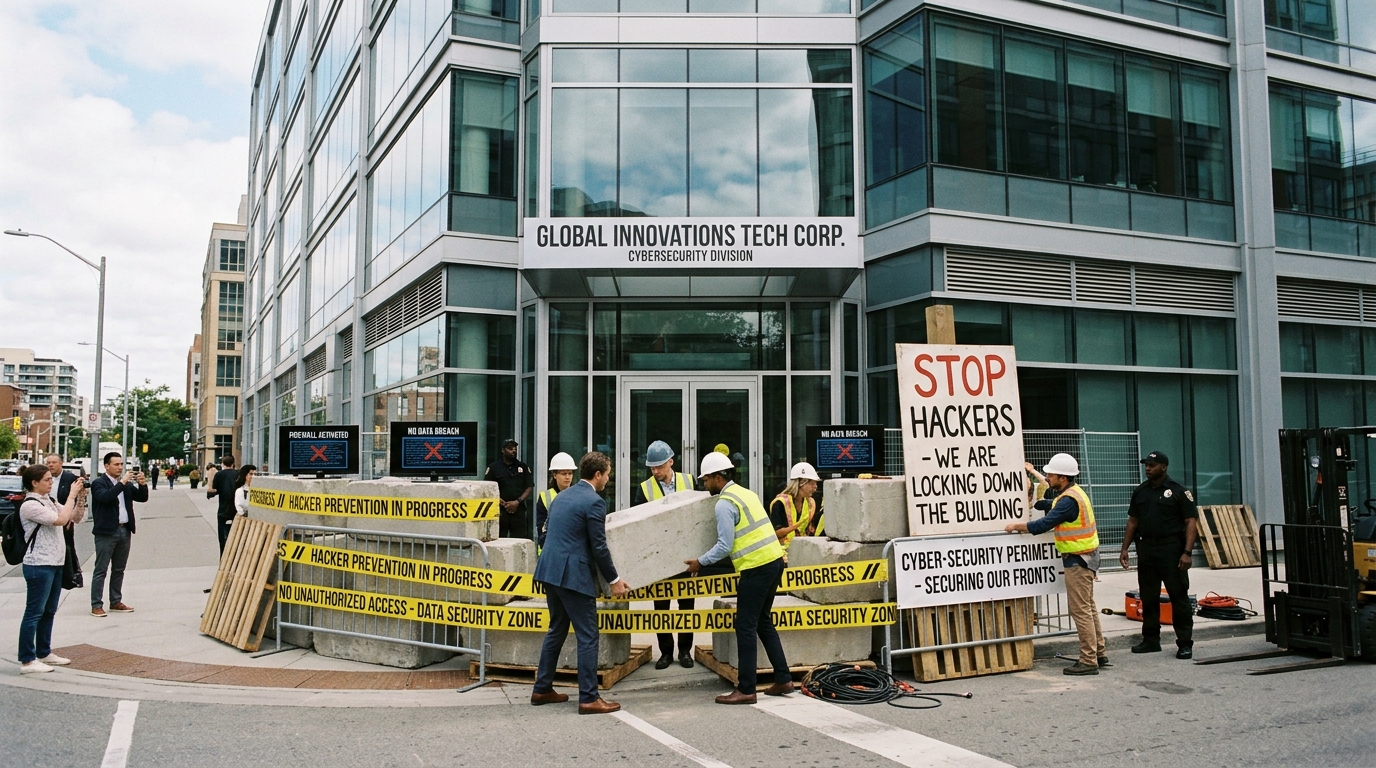
Many organisations still view patching as an IT activity. In reality, vulnerability management is a business risk management function. Delayed remediation can lead to:
Data breaches
Ransomware attacks
Operational disruption
Regulatory penalties
Insurance challenges
Reputational damage
Loss of customer trust
The financial consequences often far exceed the cost of proactive remediation. The emergence of AI-assisted vulnerability discovery only increases the urgency. If defenders can find vulnerabilities faster, attackers can too.
Why Visibility Matters More Than Ever
One of the biggest challenges organisations face is not patching itself. It's knowing what needs patching. Many businesses lack complete visibility. Without a clear understanding of the attack surface, security teams cannot effectively prioritise risk.
This is where cyber resilience platforms become essential.
How Cybersentrx Helps Organisations Stay Ahead
At Cybersentrx, we help organisations move beyond reactive security and towards continuous cyber resilience. Our platform provides comprehensive visibility across digital estates, enabling organisations to identify vulnerabilities, understand exposure, prioritise remediation efforts, and strengthen overall security posture. By continuously monitoring risk and providing actionable intelligence, Cybersentrx helps organisations discover exposed assets, identify security weaknesses and prioritise critical vulnerabilities.
As AI accelerates vulnerability discovery across the industry, organisations need the ability to understand and manage risk in real time. The lesson from the Fable AI controversy is not simply about artificial intelligence. It is about preparedness.
Because in a world where vulnerabilities can be identified in minutes, organisations that cannot rapidly assess and remediate cyber risk will increasingly find themselves exposed to attackers, regulators, and reputational damage alike. The future of cybersecurity is not just finding vulnerabilities.
It is knowing about them first, understanding their impact, and fixing them before someone else takes advantage of them.
That is exactly where Cybersentrx delivers value with services from as less than the price of a corporate lunch.