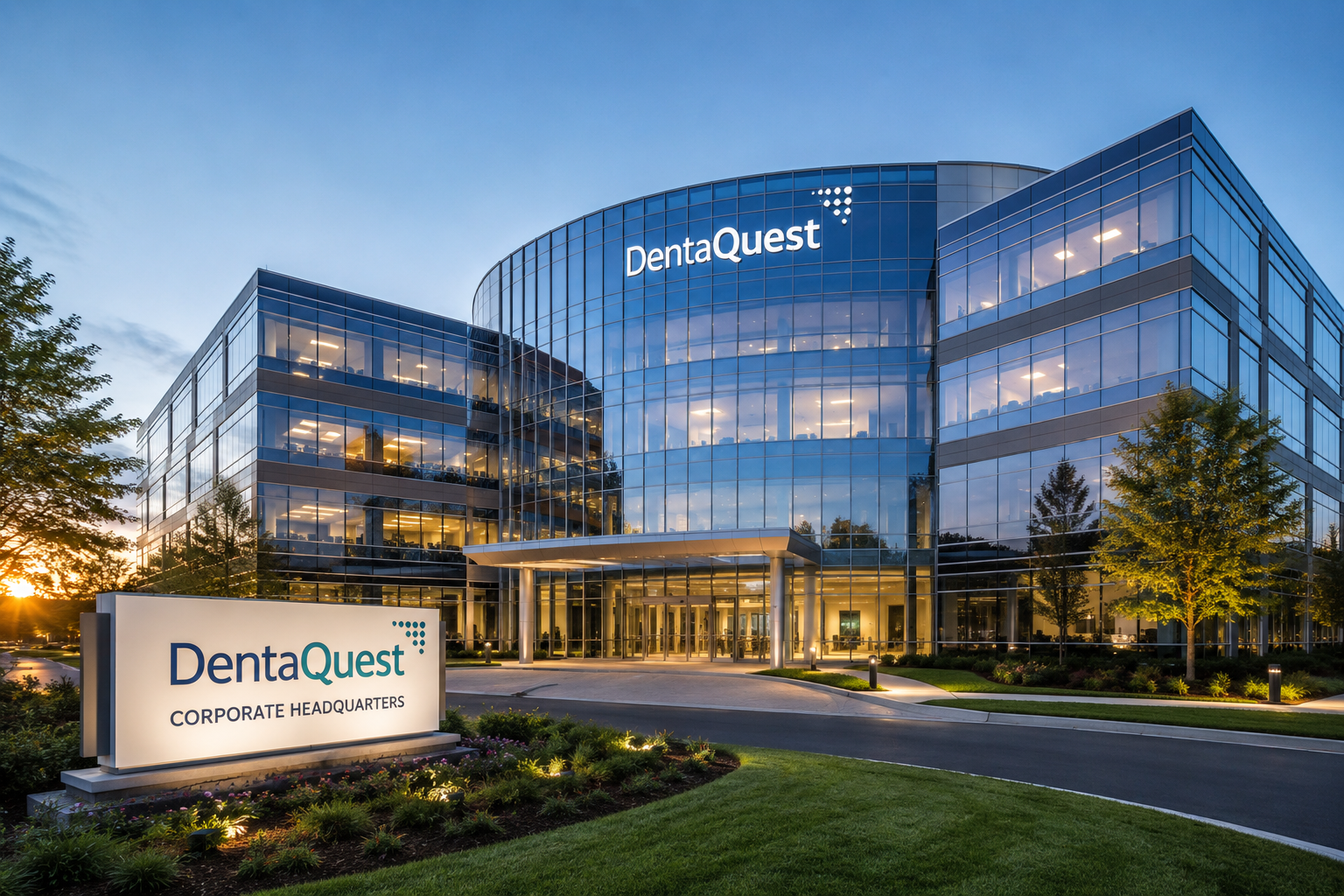
DentaQuest data breach is another stark reminder that even large, established organisations are vulnerable to sophisticated cyber attacks.
The healthcare sector continues to be one of the most targeted industries for cybercriminals, and the recent DentaQuest data breach is another stark reminder that even large, established organisations are vulnerable to sophisticated cyber attacks.
DentaQuest, one of the largest dental benefits administrators in the United States, recently confirmed a cybersecurity incident involving unauthorised access to part of its network. The attack has been linked to the cyber extortion group ShinyHunters, which claims to have stolen approximately 234GB of sensitive data affecting around 2.6 million individuals.
What Happened?
According to publicly available reports, attackers gained unauthorised access to a portion of DentaQuest's network infrastructure. The threat actors subsequently claimed to have exfiltrated a large volume of data before attempting to extort the organisation.
When negotiations reportedly failed, the attackers released the stolen information through their leak platform, making the breach publicly visible and significantly increasing the potential impact on affected individuals.
While DentaQuest stated that its core systems remained operational and customer services experienced only limited disruption, the incident demonstrates that business continuity does not necessarily mean a cyber incident has been successfully contained.
The real damage often occurs after data has already left the organisation.
What Information Was Exposed?
Reports indicate the compromised information may include:
Full names
Email addresses
Telephone numbers
Dates of birth
Government-issued identification numbers
Health insurance information
Gender information
The combination of personal identity information and healthcare-related data is particularly valuable to cybercriminals because it can be used for identity theft, fraud, social engineering attacks and highly targeted phishing campaigns.
Unlike passwords, personal information such as dates of birth, insurance details and identification records cannot simply be changed after exposure.
How Did The Attack Happen?
At the time of writing, DentaQuest has not publicly disclosed the precise technical attack vector used by the threat actors.
This is common during active forensic investigations.
However, incidents of this nature typically originate from one or more of the following:
Compromised user credentials
Phishing attacks
Vulnerable internet-facing systems
Third-party supplier compromise
Unpatched software vulnerabilities
Inadequate monitoring of suspicious activity
The growing trend among cybercriminal groups is no longer simply encrypting systems with ransomware. Increasingly, attackers focus on data theft and extortion, allowing them to pressure organisations without disrupting operations.
This approach can be particularly effective because the reputational, regulatory and legal consequences of a data breach can exceed the costs associated with operational downtime.
The Wider Impact
For affected individuals, the consequences can last for years.
Healthcare-related data breaches create opportunities for:
Identity theft
Insurance fraud
Credential-based attacks
Social engineering campaigns
Financial fraud
Long-term privacy risks
For organisations, the impact extends far beyond the immediate incident response.
Potential consequences include:
Regulatory investigations
Legal action
Reputational damage
Customer attrition
Increased cyber insurance costs
Business disruption
Loss of stakeholder trust
Perhaps most importantly, incidents like DentaQuest highlight how cyber security has become a board-level business risk rather than simply an IT issue.
What Businesses Can Learn From DentaQuest
Many organisations still focus heavily on prevention while investing less in detection, response and recovery.
The reality is that no security programme can guarantee prevention.
The organisations that recover most effectively are those that can:
Detect threats quickly
Limit attacker movement
Identify compromised systems rapidly
Understand what data has been accessed
Respond in a coordinated manner
Maintain operational resilience during an incident
Cyber resilience is increasingly becoming the defining factor between a minor security event and a major business crisis.
How Cybersentrx Helps Organisations Stay Ahead
At Cybersentrx, we help organisations move beyond traditional security approaches and focus on operational cyber resilience.
Our platform provides continuous visibility across your technology estate, helping organisations identify vulnerabilities, monitor cyber risk, strengthen security posture and improve preparedness against modern threats.
By combining real-time intelligence, risk assessment, asset visibility and security insights, Cybersentrx enables organisations to:
Reduce cyber exposure
Strengthen regulatory compliance
Improve cyber resilience
Support security decision-making
Prioritise remediation activities
Enhance incident readiness
The DentaQuest breach is another example of why organisations can no longer rely on periodic assessments and reactive security measures.
Cyber threats evolve every day.
Your cyber resilience should too.
To learn how Cybersentrx can help your organisation identify risk before attackers do.
See how CyberSentrx can help protect your external identity